From July 6 to 18, 2026, a delegation of 16 students from the Department of Chemistry at Zhejiang University, led by faculty advisor Zhijie Chen, attended the DBS Summer Course 2026 - Chemistry of Life at the National University of Singapore (NUS). Centered on the intersection of chemistry and the life sciences, the program combined lectures, academic seminars, laboratory training, and interactive discussions. It enabled students to deepen their understanding of the chemical principles underlying life processes, broaden their international academic perspectives, and strengthen their experimental and scientific reasoning skills.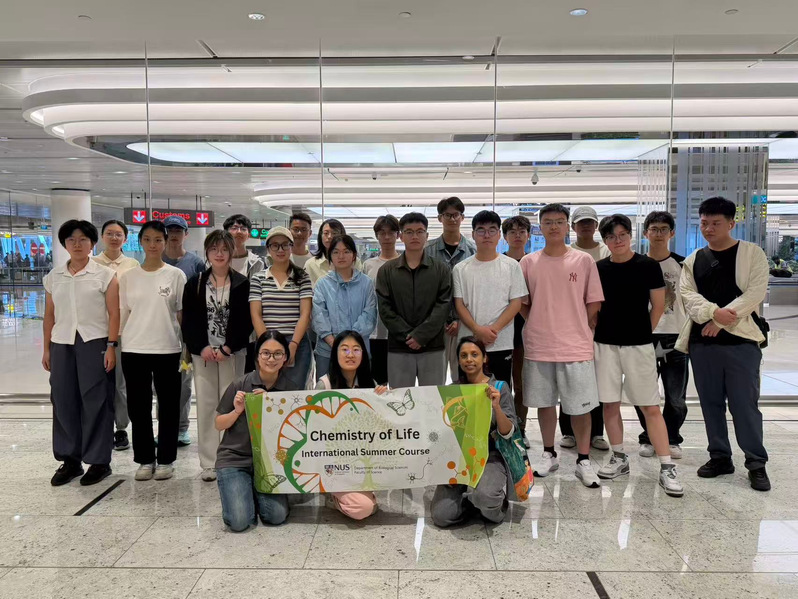
Figure 1. Students arrive at Singapore Changi Airport on July 6 and take the campus shuttle to NUS.
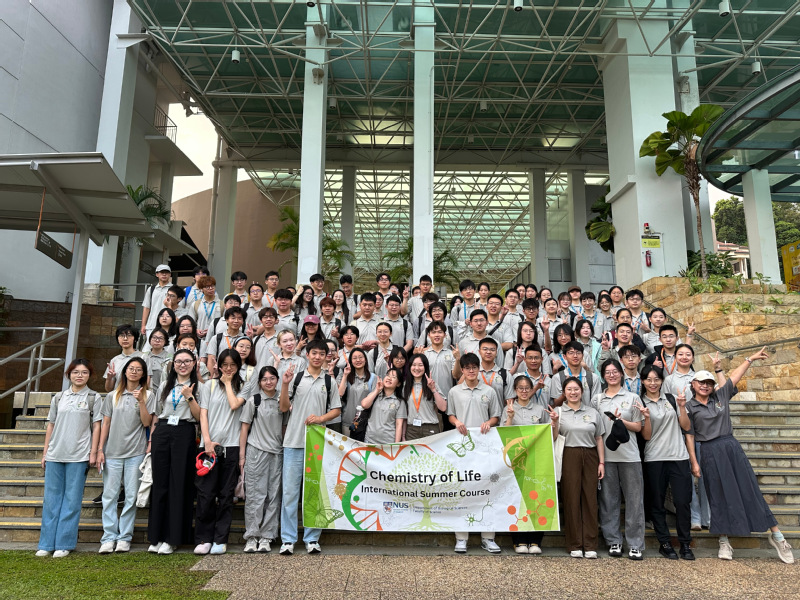
Figure 2. Students pose for a group photo in front of the PGP residences on the morning of July 7.
During the program, the students systematically explored foundational concepts and recent advances in DNA, genome editing, protein expression and purification, cell signaling, disease mechanisms, microbes and climate change, and drugs and drug delivery. Drawing on specific research examples, the instructors explained the fundamental rules of life at the molecular level and introduced important technologies and emerging directions in life-science research. The wide-ranging curriculum helped students recognize that chemistry is not only a fundamental discipline for studying the structures, properties, and reactions of matter, but also an essential tool for understanding living systems and advancing medicine and biotechnology.
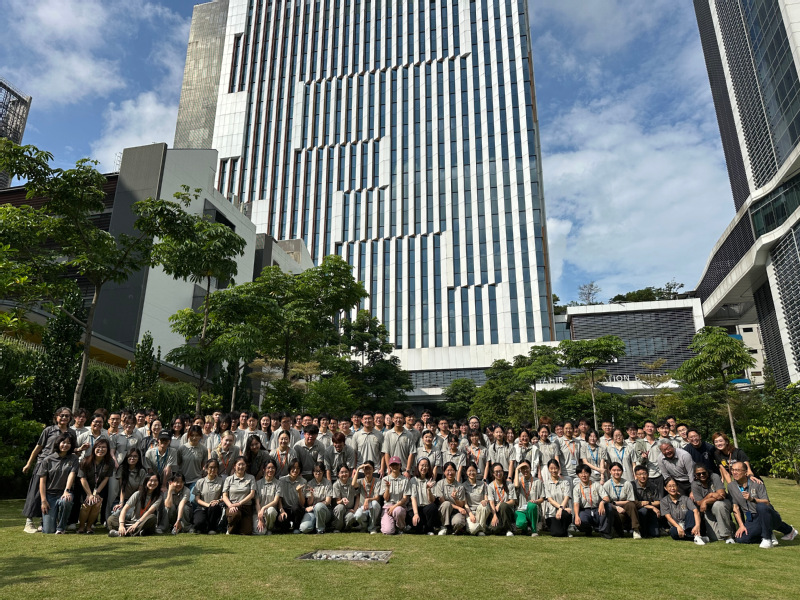
Figure 3. Students pose for a group photo at the NUS Faculty of Science after class.
Laboratory training was a major component of the summer program. Under the guidance of NUS instructors and teaching assistants, the students completed a connected series of experiments, including DNA amplification and gel electrophoresis, DNA purification, restriction-enzyme digestion, DNA ligation and bacterial transformation, plasmid extraction, protein expression, protein purification and enzyme activity assays, polyacrylamide gel electrophoresis, and Western blotting. Together, these experiments formed a coherent technical pathway from gene manipulation to protein analysis, allowing students to apply classroom knowledge to hands-on laboratory work.
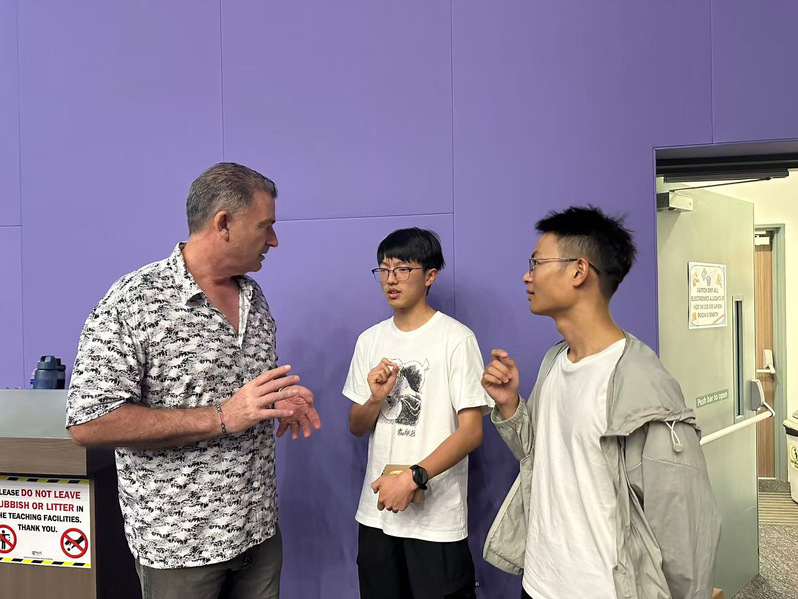
Figure 4. Chemistry students exchange ideas with Professor Stephen Pointing of NUS.
In the laboratory, the students followed standardized procedures for sample preparation, buffer preparation, instrument operation, data recording, and results analysis. They also discussed experimental observations, technical principles, and potential sources of error. Through this continuous and integrated training, the students became more familiar with essential methods in molecular biology and biochemistry, deepened their understanding of DNA, proteins, and enzyme-catalyzed processes, and improved their abilities in experimental design, teamwork, and scientific analysis.
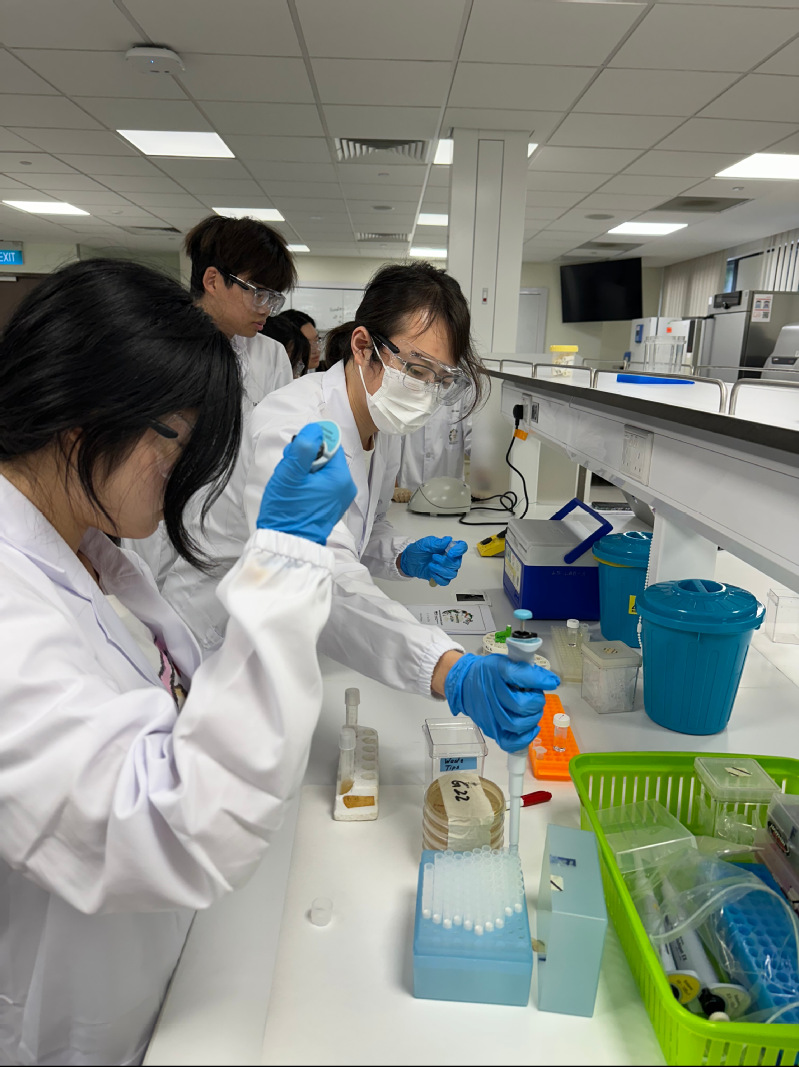
Figure 5. Students participate in a laboratory session.
In addition to lectures and laboratory sessions, the program featured a series of academic seminars. Scholars from diverse research fields shared recent findings and research experience on frontier topics in the life sciences, including genes and genetic information, cell signaling, disease mechanisms, microbial ecology, and drug design and delivery. During the discussion sessions, the students actively raised questions and engaged with the speakers on research methods, experimental techniques, and future disciplinary trends. The interdisciplinary seminars helped them develop a more comprehensive understanding of the close connections among chemistry, the life sciences, and medicine.
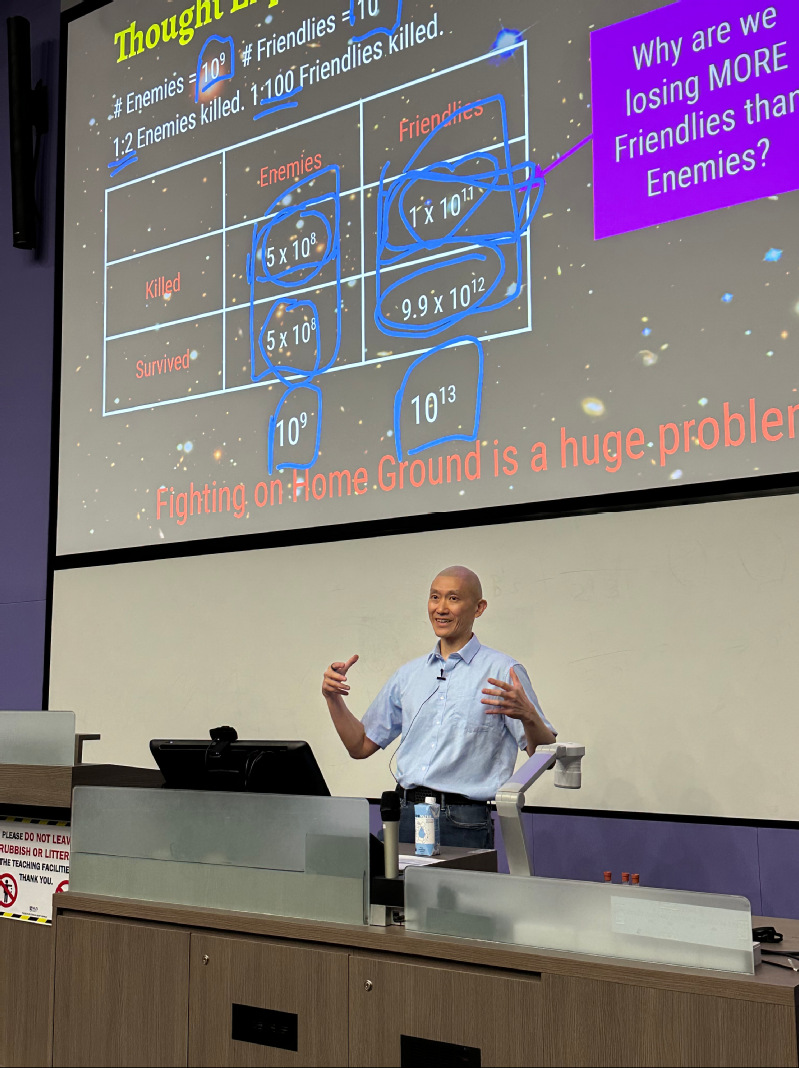
Figure 6. An NUS scholar shares insights into frontier topics in the life sciences.
As the program drew to a close, a warm and memorable farewell party was held. In a relaxed and joyful atmosphere, the students looked back on their two weeks of study and shared their reflections and gains. At the event, Xuewen Peng and Daining Yang performed an adapted version of Auld Lang Syne, dedicating the song to Zhejiang University and the National University of Singapore, as well as to China and Singapore. Their sincere performance expressed appreciation for cross-border friendship and academic exchange and brought the summer program to a warm and meaningful conclusion.
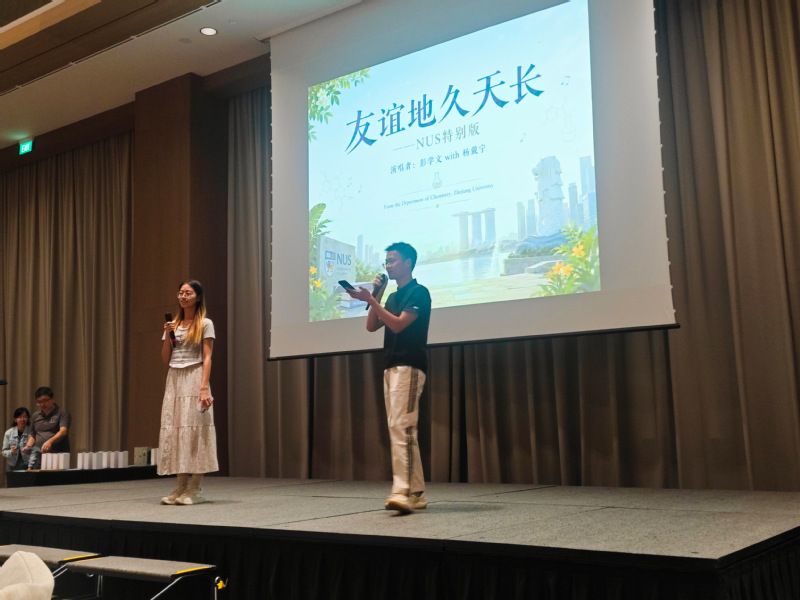
Figure 7. Xuewen Peng and Daining Yang perform an adapted version of Auld Lang Syne at the farewell party.
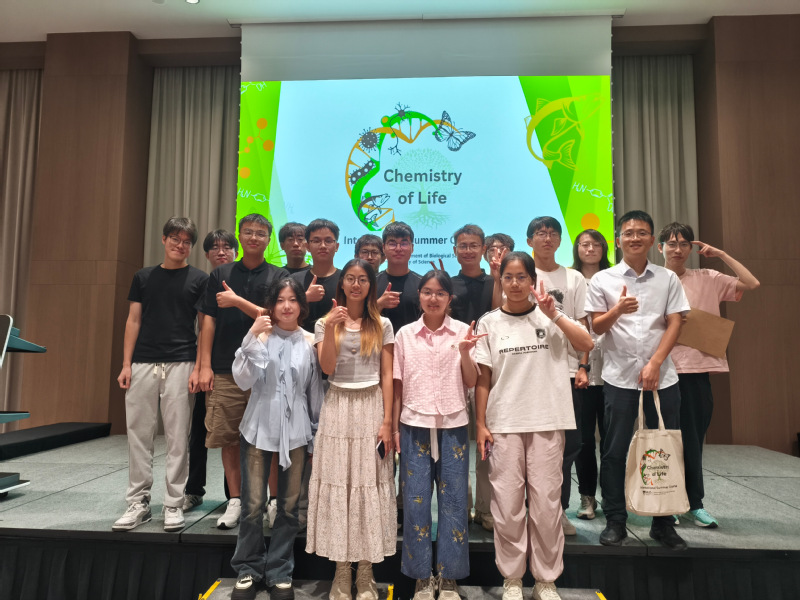
Figure 8. Faculty and students from the Department of Chemistry pose for a group photo at the close of the farewell party.
This study program at NUS provided students from the Department of Chemistry with a valuable opportunity to experience an international curriculum and engage with frontier research in the life sciences. Through lectures, laboratory training, and academic exchange, the students broadened their disciplinary perspectives and strengthened their interest in interdisciplinary learning and scientific exploration. Looking ahead, the Department of Chemistry at Zhejiang University will continue to promote high-level international exchange and collaboration, create more diverse and open learning opportunities for students, and support the development of their innovative capabilities and global competence.